
FM 126 Processing Additive Shortens Rubber Mixing Cycles
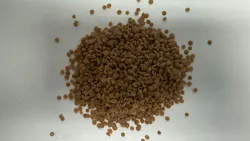
Multistage mixing cycles tie up mixer capacity, add handling steps, and drive up energy and labor costs in rubber compounding, especially when fillers incorporate and disperse slowly. FM 126 is a processing additive for rubber compounds that reduces overall mixing time and lets you reduce or consolidate mixing stages. It makes one-pass mixing possible in many formulations while keeping existing formulations intact.
The additive speeds incorporation of carbon black, silica, and other mineral fillers. It improves their dispersion in a single pass, distributing reinforcing agents throughout the rubber matrix for more uniform compounds within shorter mixing cycles. FM 126 also lowers compound viscosity and improves flow. This reduces mixer torque requirements, supports smoother flow into extrusion and molding equipment, and improves surface finish on molded and extruded parts. Mechanical and dynamic properties, including durability and fatigue resistance, are maintained.
FM 126 also improves scorch safety. It increases the processing safety margin and reduces the risk of premature vulcanization, so compounds remain manageable through downstream processing when mixing times are shortened. The additive is compatible with SBR, NR, BR, EPDM, and other elastomers, which lets processors standardize on a single additive across multiple product lines. For best results, FM 126 should be added together with the fillers during mixing.
Applications
- One-pass rubber compound mixing
- Mixing stage reduction and consolidation
- Carbon black, silica, and mineral filler dispersion
- Viscosity reduction ahead of extrusion and molding
Industries
- Rubber compounding
- Molded rubber parts
- Extruded rubber products
Who It's For
- Mixer capacity constraints
- Shorter mixing cycles without reformulating
- Scorch risk when shortening mixing time
- One additive across multiple elastomers
- Surface finish issues on molded or extruded parts
Features:
- Reduced overall mixing time
- Mixing stage reduction or consolidation
- One-pass mixing in many formulations
- Faster filler incorporation
- Single-pass dispersion of carbon black, silica, and other mineral fillers
- Lower compound viscosity and reduced mixer torque requirements
- Improved compound flow into extrusion and molding equipment
- Better surface finish on molded and extruded parts
- Maintained mechanical and dynamic properties, including durability and fatigue resistance
- Improved scorch safety and processing safety margin
- Compatible with SBR, NR, BR, EPDM, and other elastomers
- Added together with fillers during mixing
Struktol Company of America, LLC
Stow, OH
(800) 327-8649
[email protected]
struktol.com