Disaster-Resistant Cold Storage: Protecting Facilities, Inventory, and Operations During Extreme Weather
Key Highlights
- Reinforced construction and certified panels ensure cold rooms withstand extreme weather events.
- Hurricane, seismic, and snow-load considerations are tailored to regional building codes.
- Smart monitoring and backup power improve operational reliability during disruptions.
- Innovations in materials and mobile units extend lifespan and support emergency response.
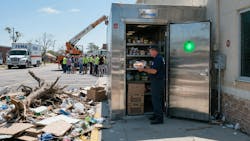
Maintaining reliable cold storage is essential for businesses that rely on perishable inventory, including food, beverages, vaccines, and other temperature-sensitive materials. Even a brief failure can cause major financial losses, operational downtime, and interruptions to critical supply chains. With extreme weather events increasing—from hurricanes in the Southeast to snowstorms in the North and earthquakes in the West—disaster-resistant cold storage has become a crucial element of business continuity planning.
Unlike temporary refrigerated trailers that can be wheeled in after a storm, cold storage units are engineered to withstand the disaster itself. While this is more convenient, it also offers resilience since businesses can continue operating while the grid is down or while structures are under repair, helping to avoid extra costs for product relocation and continuing to provide essential supplies during emergencies. The cold storage itself can become an anchor point for a successful recovery.
Reinforced Cold Storage Engineering for Extreme Weather
The technical heart of disaster-resilient cold storage lies in reinforced construction designed to withstand extreme environmental forces. Walls, ceilings, and floors are engineered to resist daily operational wear along with hurricane, seismic, and snow-load stress. In hurricane-prone regions, panels are anchored using high-alloy fasteners to withstand the suction and pressure generated by Category 5 winds.
Industry best practices typically include aluminum reinforcement beams—commonly sized at approximately 2 x 3 inches—distributed across ceiling panels to spread structural loads evenly. Ceiling and floor panels are secured with heavy-duty fasteners, often using screws up to 7 inches in length, while floor anchoring ties the enclosure directly to the foundation to prevent shifting even if the surrounding structure is damaged. To further strengthen the enclosure, engineers add L-shaped metal trims along panel seams, locking joints together and reducing the risk of separation under extreme stress.
Doors are a common failure point during severe weather and often need additional reinforcement through larger hinges, stronger latches, and heated thresholds. Stronger latches help the door hold its shape under stress, while heated thresholds prevent ice buildup that can freeze doors shut in freezing conditions. With these protections in place, the cold room can still be accessed even if the surrounding building is damaged, helping preserve stored inventory when it matters most.
Third-party certification is often required to validate these cold-storage designs. In Miami-Dade County (Florida), where hurricane building codes are among the strictest in the world, cold storage panels are tested in laboratories that simulate the most severe conditions. For example, two-by-fours are fired from air cannons at high speed to mimic storm debris. Certified panels may dent, but they cannot break or lose structural integrity. This certification process provides confidence for operators and can directly affect insurance outcomes, as insurers often reduce premiums when hurricane-rated cold rooms are in place. In hurricane-prone regions such as Florida, certified cold storage is often required to secure affordable coverage.
Regional requirements differ, but the underlying goal is the same. In northern states, snow load calculations are used to ensure roofs do not collapse under heavy accumulation. In earthquake zones, seismic reinforcement helps prevent units from shifting or toppling. While the specific codes vary, they push manufacturers to design enclosures that can withstand local environmental risks without compromising thermal performance. For example, New York's older facilities with smaller entrances require smaller, modular panel sizes, while California mandates alternatives to diamond-tread flooring for improved grip and compliance. Manufacturers routinely tailor designs to meet these county-specific mandates.
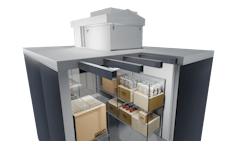
Cost Considerations for Disaster-Resistant Cold Storage
Despite these advances, misconceptions persist, with the most common being cost. Disaster-resistant systems can cost thousands more than standard units, leading some operators to gamble on the odds.
For a standard-sized unit, a hurricane-rated cold room can add roughly $8,000 to $9,000 to the upfront cost. Some operators choose to avoid that expense, only to face higher insurance premiums or unexpected compliance issues later on.
There is also the misconception that temporary refrigeration can easily replace fixed cold storage. Portable trailers do exist, but mobilizing them in the aftermath of a disaster is expensive and logistically complex. Fuel shortages, road closures, or high demand from multiple affected businesses often make these units unavailable when needed most. In contrast, a reinforced cold room, coupled with a reliable backup power supply, allows companies to maintain operations without relocating product.
Future Innovations in Disaster-Resistant Cold Storage
As climate volatility intensifies, manufacturers have responded with innovations that go beyond reinforcement. Panels now feature additional insulation layers that improve thermal retention, giving operators more time during power outages. Cam lock systems, which mechanically fasten panels together, can be multiplied at panel joints for added stability. Some manufacturers are experimenting with replacing wood components with PVC, particularly in humid regions, as PVC offers better resistance to humidity and condensation, extending the unit's lifespan and reducing maintenance.
Equipment Example: Disaster-Rated Cold Storage
Amerikooler, a manufacturer of cold-storage enclosures, offers walk-in coolers and freezers engineered for extreme weather and disaster conditions. Its systems are certified to withstand high winds and have passed Miami-Dade County impact testing. Its enclosures include insulated, reinforced doors, heated thresholds to prevent icing, and cam-lock fasteners that secure panel seams.
Innovation in cold storage is extending into mobility and smart technology. Engineers are developing trailer-mounted, hurricane-rated units that can be rapidly deployed in disaster zones, including those for FEMA and military applications. These mobile systems feature reinforced walls, caster wheels for easy movement, anchoring channels for stability, and options for backup power, providing reliable cold storage for emergency response and relief operations.
At the same time, smart technology is transforming how cold rooms are monitored. Wi-Fi-enabled systems now allow operators to check and adjust temperature and humidity remotely, with alerts for power loss or equipment malfunctions that help prevent product loss. Adoption of these remote monitoring systems has accelerated in recent years, improving operational reliability and disaster preparedness compared with older analog controls.
Combining reinforced construction, updated materials, and remote monitoring is shaping the next generation of cold storage for disaster-prone regions. Today, resilience is expected rather than optional, driven by climate challenges, building codes, insurance requirements, and operational needs.
Cold Storage as Infrastructure
Disaster-resistant cold storage is a critical part of infrastructure that helps keep supply chains running during extreme weather or other disruptions. Reinforced construction, certification, material choices, and smart monitoring allow cold storage to remain operational even when surrounding facilities are compromised. Investing in these systems helps protect inventory, maintain operations, and meet regulatory and insurance requirements, making resilience a practical, built-in component of business continuity.